Valve Problems We Diagnose and Fix
Most irrigation valve failures fall into one of three categories. Each one has a specific cause, and knowing which one you're dealing with determines the repair. Here's what we see constantly across the Treasure Valley:
Zone Won't Turn On
If a zone never activates when the controller runs its cycle, the problem is usually one of a few things: a failed solenoid that isn't receiving or acting on the electrical signal, broken or corroded wiring between the controller and the valve, a torn diaphragm that can't open properly, debris blocking the valve port, or a controller output that has stopped sending a signal to that zone. This is extremely common in older Boise and Nampa systems where wiring has been in the ground for 20-plus years and solenoids haven't been touched since installation.
Zone Won't Shut Off
A zone that runs continuously, even after the system is off or the controller is unplugged, almost always has a torn or warped diaphragm. The diaphragm is the rubber seal inside the valve that blocks water flow when the solenoid is de-energized. When it tears, water bypasses the seal and the zone runs indefinitely. In hard water areas like Meridian and Caldwell, mineral buildup on the diaphragm seat can cause the same problem. This is one of the most urgent valve failures because the water doesn't stop until someone manually shuts off the irrigation supply.
Valve Box Full of Water
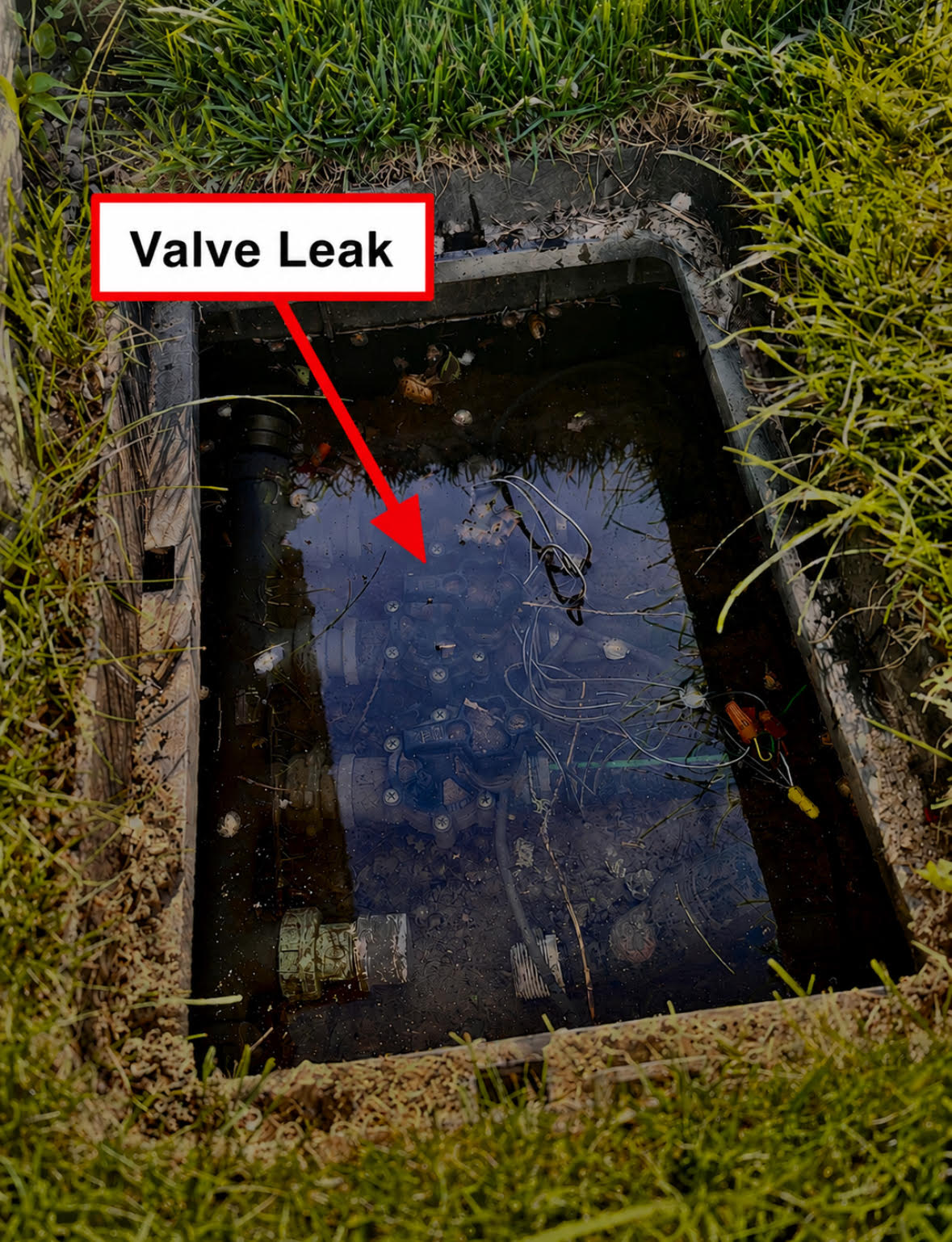
Standing water in a valve box means water is escaping somewhere it shouldn't. The most common cause is a valve that's leaking past the diaphragm, slow enough that it doesn't run the zone but fast enough to fill the box over days. It can also come from a cracked valve body (common after hard winters) or a solenoid that's weeping around its threads. We see a lot of this in Eagle and Kuna after freeze-thaw cycles crack PVC valve bodies that were borderline before winter. If the box is filling fast rather than slowly, it may also indicate a main line leak nearby, and we'll check for that when we come out.
Services We Provide
Valve Diagnosis
We trace the problem, solenoid, diaphragm, wiring, or manifold, before we quote you anything. No guesswork repairs.
Diaphragm Replacement
Most valve failures are a worn diaphragm. We rebuild the valve on the spot, faster and cheaper than full replacement.
Solenoid Replacement
A failed solenoid means the zone won't fire electrically. Quick fix, usually done the same visit without touching the valve body.
Full Valve Replacement
When the valve body is cracked or beyond repair. We replace it with a matching valve. We stock common brands on the truck.
Manifold Repair
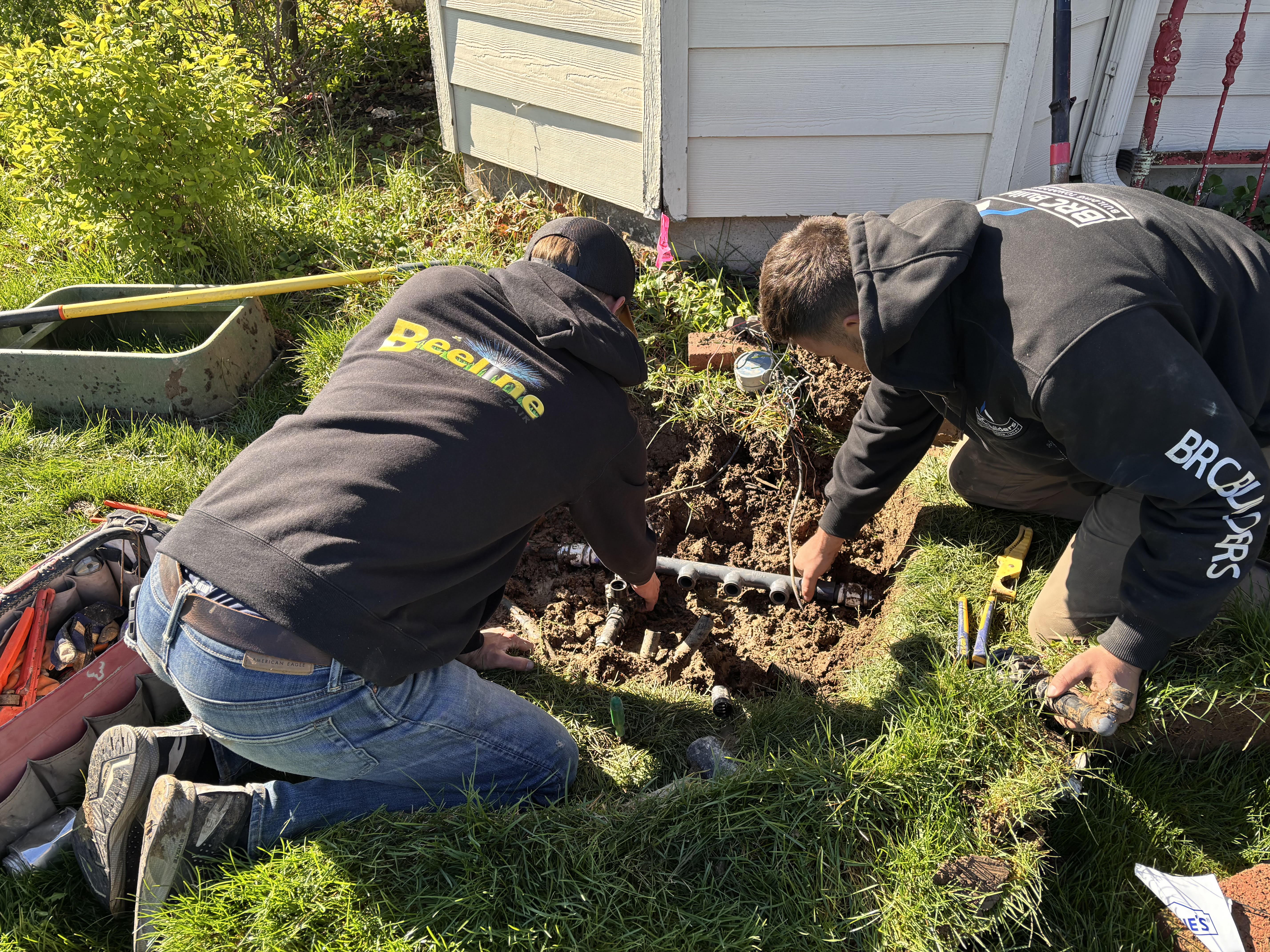
Corroded or cracked manifolds from hard water or freeze damage are common in Nampa, Kuna, and Caldwell. We rebuild or replace the whole manifold when needed.
Wiring Repair
Sometimes it's not the valve, it's a cut wire or failed connection. We trace wiring issues back to the controller and fix them at the source.
Common Valve Problems by City
Boise: The North End and the Bench have some of the oldest residential irrigation in the valley. We regularly work on systems where the valves haven't been touched in 20 years, corroded solenoids, cracked diaphragms, and manifolds with two or three failing valves at once. One visit to a North End property often turns into a full manifold service once we open the valve box.
Meridian: Newer subdivision systems in Meridian were often installed fast by builders trying to hit a move-in date. The valves are functional but not top-tier, and the zones are sometimes overpressured from the City of Meridian pressure irrigation system. Overpressured zones blow diaphragms earlier than they should. We see a lot of diaphragm failures in 5-to-10-year-old Meridian systems.
Nampa: Hard water and pressure irrigation are a tough combination for valves. Mineral sediment builds up inside the valve body over time, jamming the diaphragm or blocking the ports. We frequently rebuild Nampa valves that are technically intact but clogged to the point of failing. Manifold corrosion from years of mineral-rich water is also common here.
Caldwell: Caldwell has a lot of older residential and rural systems with PVC manifolds from the 1980s and 1990s. The PVC gets brittle, the fittings loosen, and at some point the whole manifold needs to come out. Full manifold rebuilds are more common in Caldwell than anywhere else we work. We're familiar with the older systems in this area and carry the fittings and valves to rebuild them properly.
Eagle: Eagle tends to have higher-end landscape systems with more zones, dedicated drip valves, master valve setups, and RPZ-fed or pump-controlled configurations. The systems are more complex, and when something fails it's not always obvious which component is at fault. We work on these regularly and can diagnose master valve issues, pump relay problems, and RPZ-connected systems.
Kuna and Star: A lot of newer construction here means builder-installed valves that are starting to age out of their useful life. Shallow manifold installs are also a recurring issue, manifolds set just a few inches deep get clipped by edgers and shovels, cracking valve bodies or breaking solenoid leads. We fix these frequently in both cities and often end up relocating the manifold deeper while we're at it.
Free Quote on Valve Repair
Licensed, insured, and family owned. We carry parts on the truck, most valve repairs done in a single visit.
Request Service Online 📞 Call or Text (208) 880-2712Licensed & Insured · Idaho General Contractor Reg. #9781914
Idaho Registered Contractor · Liability Coverage on Every Job

Related Services
Contact
- 📞 (208) 880-2712
- beelinesprinklerrepair@gmail.com
- All 8 Treasure Valley Cities